A website and online appointment system for a doctor's practice
A practice website paired with a custom online appointment booking system, so patients can request a consultation without waiting on the phone.
Business process improvement
Simpler, clearer ways of working, so growth doesn't depend on the founder doing everything.
The challenge
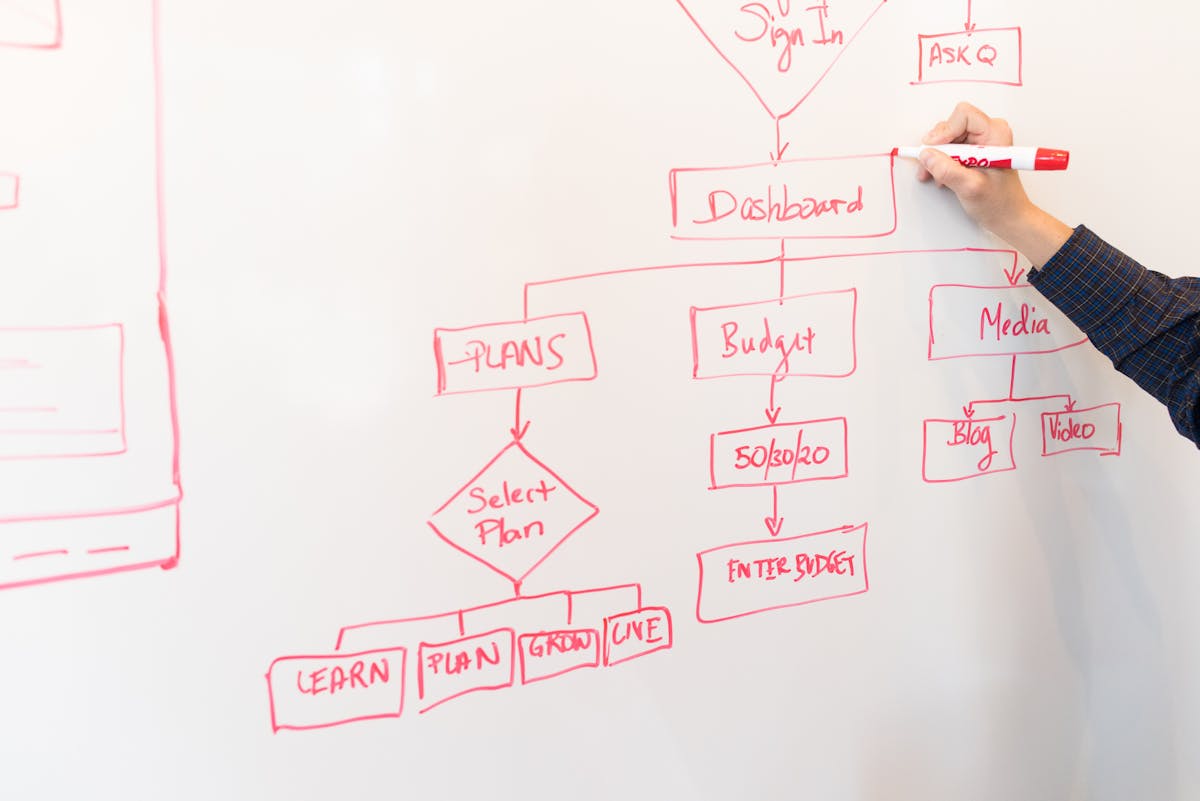
In the early years, a business runs on effort and memory. The founder knows every customer, approves every order and catches every error. That works until it doesn't. As volume grows, the same habits create delays, rework and a team that can't move without asking.
Nothing is broken exactly. It is just slower and more stressful than it needs to be.
Why this matters
Clear processes free owners to work on the business rather than in it. They make quality consistent, make it easier to train new people, and make the company more valuable because it no longer depends on a single person.
How we approach it
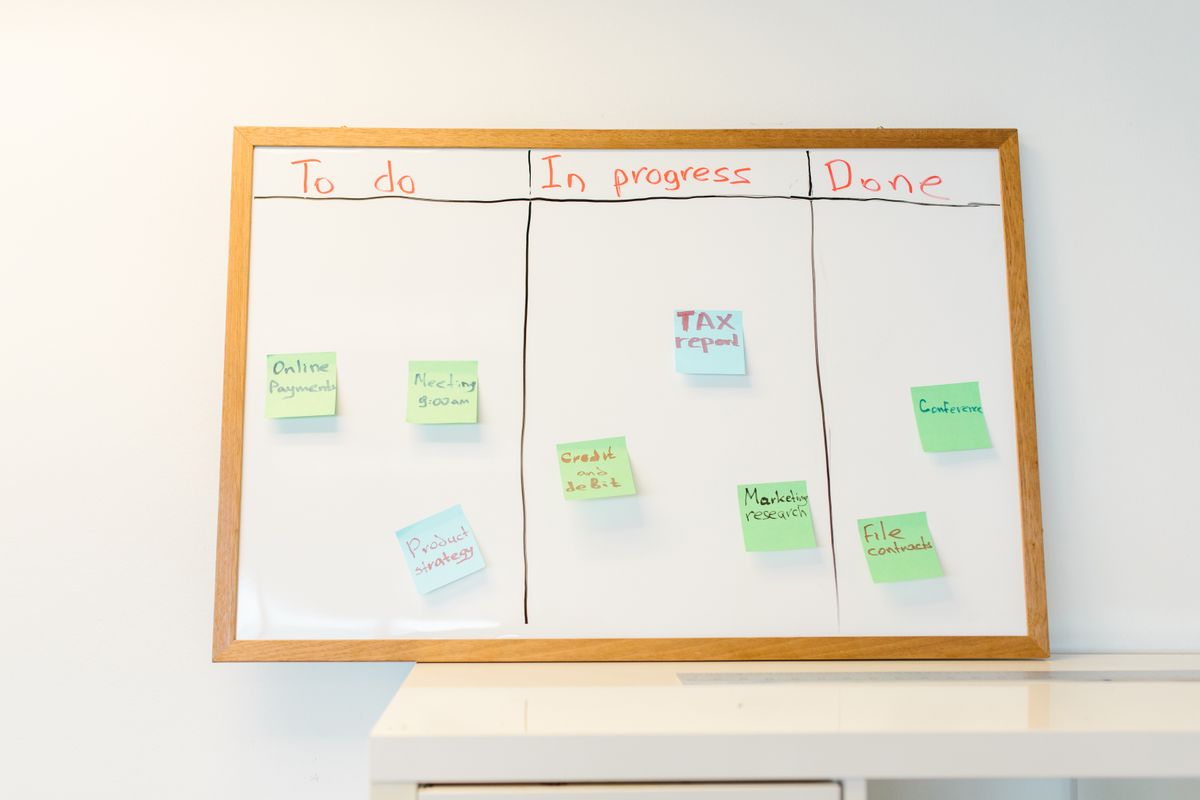
We walk through the work with the people who do it. We look for the handovers, approvals and workarounds that slow things down, then redesign the flow with the team rather than for them. We document what matters, introduce simple measures and reporting, and make sure roles and responsibilities are clear.
The goal is a business that runs calmly on an ordinary day.
Core areas of work
Seeing clearly how orders, requests and approvals move today.
Meetings, reviews and reports that keep everyone aligned without wasting time.
Who decides, who does and who needs to know, written down.
The handful of numbers owners need each week, produced reliably.
Short, usable guides for the work that must be done the same way every time.
Finding where errors and waste creep in, and fixing the cause.
Typical engagement
Every engagement is shaped around the business, but most follow a rhythm like this.
Time on the floor, with the team, watching how work really happens.
Simpler flows developed together with the people who will use them.
Trying changes on a small scale before rolling them out widely.
Documentation, measures and follow-up so improvements hold.
Related work
A practice website paired with a custom online appointment booking system, so patients can request a consultation without waiting on the phone.

Product consultation, workflow design, UI and UX, and app development for MyFinZee, a digital-first platform that helps people manage key money decisions, plus the website that presents it.
Questions
We design the work to fit around your operations. Changes are piloted in small steps so the business keeps running normally.
No. Service businesses, clinics, retailers and distributors all have processes that can be made simpler and more reliable.
By involving the team from the start, measuring the result and staying involved after rollout. Changes imposed from outside rarely last.
Tell us a little about your business and what you're working towards. The first conversation is free.