Don't buy software to fix a process you haven't looked at
New systems promise to fix the chaos. Without understanding how work really flows, they usually just move it somewhere else.
Draft for review. This is an original article drafted for SigmaX. Review, edit and approve it, then set draft: false in its file to publish it as final.
There is a moment in many growing businesses when the spreadsheets become too much. Orders arrive by phone, email and messaging apps. Stock lives in several files. Month-end takes days. Someone suggests an ERP system, and suddenly the conversation is about vendors and licence fees.
It is an understandable instinct. It is also, very often, the wrong place to start.
The process comes first
Software encodes a way of working. If you don't understand your current way of working, you will either buy a system that forces the business to change in ways that don't suit it, or customise a system so heavily that it becomes fragile and expensive.
Software doesn't fix a process. It makes the process you already have run faster, good or bad.
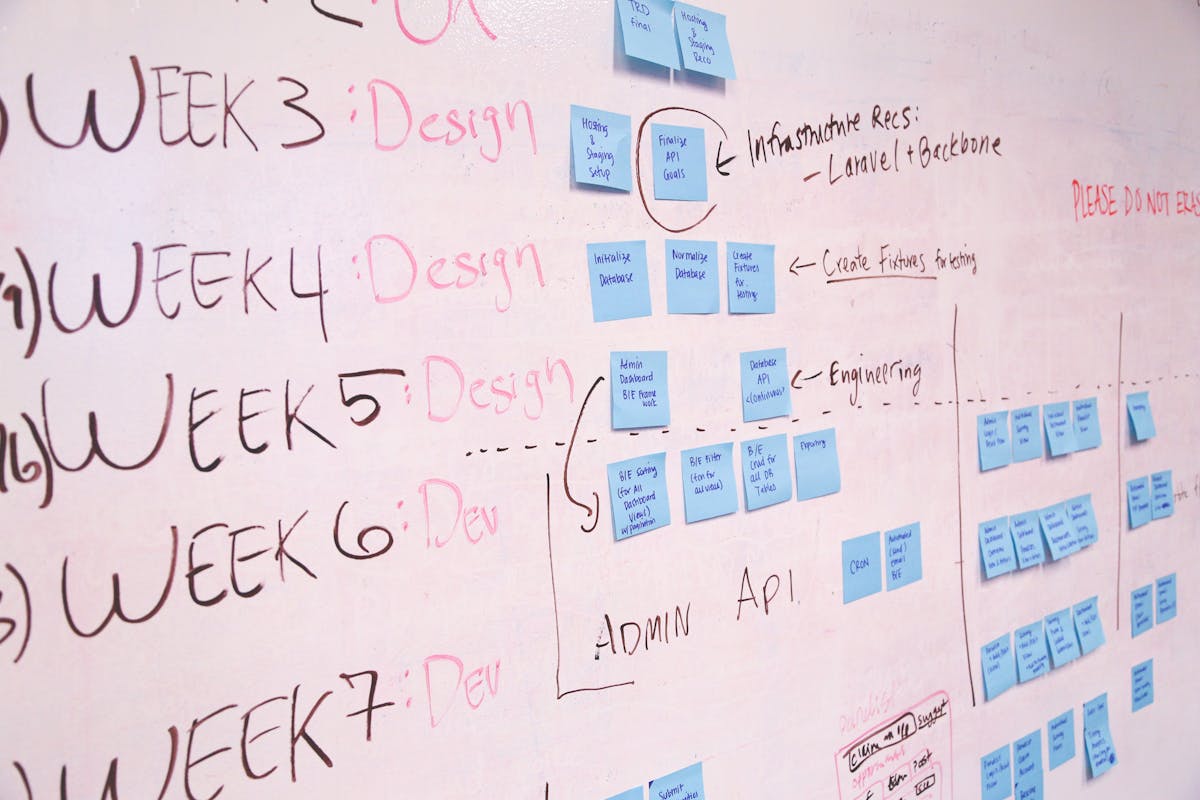
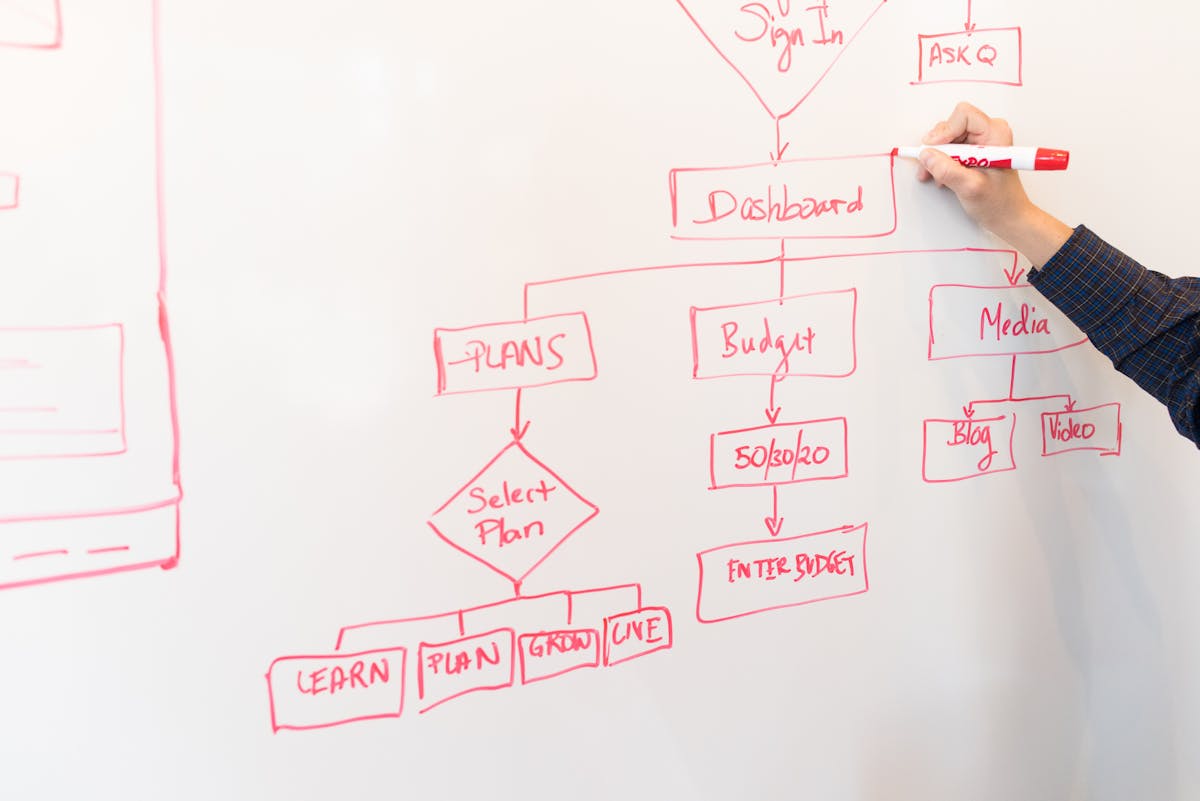
The better starting point is to map how work actually moves through the business today. Not the official process, but the real one, including the workarounds, the informal approvals and the person everyone calls when something goes wrong.
What mapping reveals
When we walk through a process with the people who do the work, a few things almost always emerge:
- Steps that exist only because of a problem that was solved years ago.
- Handovers where information is retyped, and where most errors begin.
- Informal habits that actually work well and should be protected.
- A small number of decisions that cause most of the delay.
Some of these can be fixed without any new technology at all. The rest become the specification for a system that genuinely fits.

Build, buy or adapt
With a clear picture of the work, the technology decision becomes much simpler. Sometimes an existing product fits well with light configuration. Sometimes a custom MIS, built around the specific way the business operates, is the better long-term investment. Either way, the choice is made on evidence rather than on a sales demonstration.
Plan for adoption
The final lesson is about people. A system nobody wants to use will be quietly worked around within months. Training, a period of running old and new processes side by side, and an adviser who stays on hand to adjust things are what turn a software purchase into a better business.